Source Submersible Axial Flow Chemical Pump for Water, Industry, Mining
Compare 30 verified listings for the Submersible Axial Flow Chemical Pump featuring electric motors, stainless steel construction, and ISO certification. Buyers can evaluate specifications like head, capacity, and impeller type for water treatment, chlor-alkali industry, and mining applications.
Key considerations
Products List


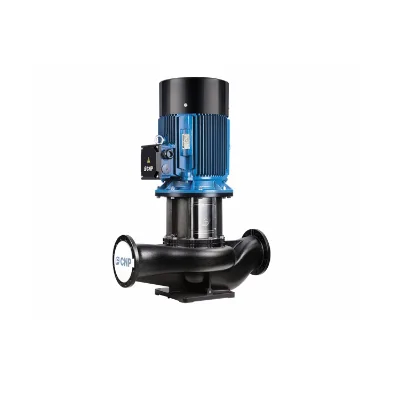
Horizontal Chemical Axial Flow Circulation Pump for Chlor-Alkali Industry
$4000.00 - $12000.00
MOQ: 1 SET


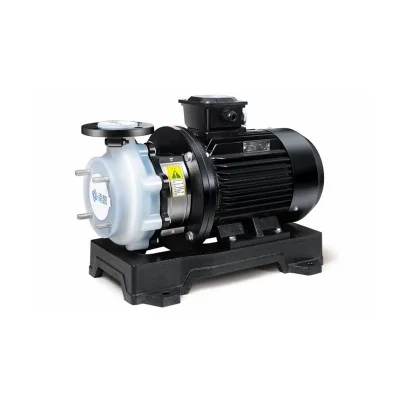
Chemical Axial Flow Circulation Pump with Driven Type Direct or Belt
$4000.00 - $12000.00
MOQ: 1 PIECE




Comprehensive Sourcing Guide
Strategic Sourcing Guide for Submersible Axial Flow Chemical Pumps
The procurement of submersible axial flow chemical pumps requires a rigorous understanding of the intersection between hydraulic performance, material compatibility, and operational safety. These pumps are specialized assets designed to move large volumes of fluid at relatively low heads, making them distinct from centrifugal or radial flow alternatives. When sourcing these units, buyers must navigate a complex landscape of technical specifications, material grades, and regulatory compliance. The following guide outlines the critical factors for evaluating potential suppliers and ensuring the selected equipment meets the demanding requirements of chemical processing environments.
Technical Specifications and Hydraulic Performance
The primary differentiator for submersible axial flow pumps lies in their hydraulic design, which prioritizes high flow rates over high pressure. When reviewing product data, buyers should look for specific attributes regarding the impeller type and shaft orientation. In the observed market data, distinct configurations exist, including single-suction impellers and mixed-flow theories, which may be relevant depending on the specific fluid dynamics required. The mounting height is a critical variable; some units are designed as suction centrifugal pumps, while others are configured as vertical or horizontal pumps. For submersible applications, the vertical configuration is often preferred to facilitate direct immersion in the liquid source.
The working pressure range is another vital specification. Data indicates the availability of low-pressure and middle-pressure pump variants. A typical low-pressure configuration might operate within a head range of 10 to 30 meters, while other models may support heads between 30 to 50 meters or even up to 80 meters. Buyers must verify that the pump's maximum head aligns with the system's total dynamic head requirements. Additionally, the capacity is a key performance metric, with observed units capable of exceeding 400 liters per minute. The impeller design, whether open or closed, significantly impacts efficiency and the ability to handle solids or viscous chemicals. Single-stage pumps are common, but the specific number of stages should be confirmed against the required pressure lift.
| Feature | Observation Range | Verification Requirement |
|---|---|---|
| Impeller Type | Open, Closed, Single Suction | Confirm compatibility with chemical viscosity and particulate content. |
| Shaft Position | Vertical, Horizontal | Ensure alignment with installation constraints and submergence depth. |
| Max. Head | 10-30m, 30-50m, 50-80m | Match system head requirements; avoid oversizing for energy efficiency. |
| Capacity | >400 L/min | Verify flow rate meets process throughput needs. |
| Submergence | Up to 6m | Confirm depth rating matches the actual installation site depth. |
Material Compatibility and Construction Standards
In chemical processing, the integrity of the pump casing and internal components is paramount. The material selection must be tailored to the specific chemical being pumped, including factors like acidity, alkalinity, and temperature. The supplied data highlights a broad spectrum of available materials, including various grades of stainless steel such as 304, 304L, 321, 316, 316L, and super duplex grades like 2205 and 2507. For highly corrosive environments, specialized materials like Ta2 (Tantalum) and Tc4 (Titanium) are available. Buyers must explicitly request material test certificates (MTCs) to verify that the actual components match the specified alloy grades, as even minor deviations can lead to premature failure.
The operating temperature range is another critical constraint. Observed specifications indicate a capability to function in temperatures ranging from -40°C to 250°C. This wide range suggests suitability for both cryogenic and high-temperature chemical applications, but the specific seal and gasket materials must be verified for the intended temperature. Furthermore, the permissible altitude is noted as up to 1000 meters above sea level, which affects the cooling efficiency of the motor and the boiling point of the liquid. Buyers operating at higher altitudes must confirm that the motor's thermal management system is adequate for the reduced air density. The pump casing construction, whether vertical joint surface or horizontal split, also influences maintenance accessibility and structural integrity under pressure.
Compliance, Certification, and Safety Standards
Navigating the regulatory landscape is essential for international procurement. The data confirms the availability of ISO certification, which serves as a baseline for quality management systems. Additionally, specific standards such as ASME/ANSI are referenced for flange connections, with DIN and JIS standards also being common options. Buyers should not assume that a general ISO certification covers all specific safety requirements for chemical handling. It is crucial to verify if the pump meets UL Listed standards, as this indicates compliance with specific electrical safety requirements, particularly for the electric motor and submersible cable assemblies.
The "Standard" attribute in the product data suggests that compliance may be "based on model," implying that different pump configurations adhere to different regulatory frameworks. Buyers must explicitly request the specific standard documentation for the model they intend to purchase. For chemical industry applications, adherence to industry-specific safety standards regarding pressure vessels and electrical hazards in wet environments is non-negotiable. The presence of a "No Leakage" performance claim in the data highlights the importance of seal integrity, but this should be validated through third-party testing rather than relying solely on supplier assertions.
Cost Drivers and Procurement Economics
The cost of submersible axial flow chemical pumps is driven by several factors, primarily material composition, motor quality, and customization requirements. The use of high-grade alloys like 2507 or Tantalum significantly increases the unit cost compared to standard 304 stainless steel. Similarly, the choice of motor brand is a major cost variable; options include ABB, Siemens, or reputable Chinese brands. While branded motors offer proven reliability and longer service life, they come at a premium. Buyers must weigh the initial capital expenditure against the total cost of ownership, considering maintenance intervals and energy efficiency.
Customization is listed as an available attribute, which introduces variability in pricing and lead times. Standard models may have a lower price point and faster availability, whereas custom-engineered units requiring specific flange standards, unique material grades, or specialized motor configurations will incur higher costs. The observed price range in the market spans from $1 to $30,000, reflecting the diversity from small-scale units to large industrial systems. However, buyers should be cautious of prices that seem anomalously low, as they may indicate compromised material quality or lack of necessary certifications. The Minimum Order Quantity (MOQ) appears to be flexible, with some suppliers offering single-unit orders, which is beneficial for pilot projects or small-scale installations.
Supplier Evaluation and Verification
When evaluating potential suppliers, buyers should focus on their technical capability to support the specific application rather than just their sales volume. The data indicates that the product origin is China, a major manufacturing hub for industrial pumps. However, the location of the supplier's engineering and quality control teams is equally important. Buyers should verify if the supplier has a dedicated team for chemical pump applications who can provide technical drawings and perform hydraulic calculations. The "Trade Mark" Hb is mentioned in the data, but buyers should not rely on brand recognition alone; instead, they should request references from similar chemical industry clients.
A critical aspect of supplier evaluation is the verification of their quality management systems. While ISO certification is noted, buyers should ask for evidence of their internal quality control processes, including factory acceptance tests (FAT) and material traceability. The ability to provide detailed documentation, such as hydrostatic test reports and dimensional inspection records, is a strong indicator of a reliable supplier. Additionally, the supplier's capacity for after-sales support, including the availability of spare parts and technical troubleshooting, should be assessed. The "Customization" attribute suggests that a capable supplier should be able to adapt the pump design to specific site conditions, but this requires a collaborative engineering approach.
Quality Control and Long-Term Procurement Considerations
Ensuring the long-term reliability of submersible pumps requires a robust quality control strategy. Buyers should insist on a comprehensive inspection plan that covers material verification, dimensional checks, and performance testing. The "No Leakage" performance attribute underscores the need for rigorous seal testing before shipment. For chemical applications, the integrity of the motor insulation and the submersible cable is critical to prevent electrical failures. Buyers should verify that the motor is an electric pump with appropriate protection ratings for submersible use.
Long-term procurement considerations extend beyond the initial purchase to include maintenance planning and lifecycle management. The "Assembly" attribute indicates these are liquid pumps, and understanding the specific assembly requirements is vital for future maintenance. Buyers should inquire about the availability of spare parts, particularly for the impeller, shaft, and seal assemblies. The "Export Wood Case" or "Wooden-Case" packing mentioned in the data ensures safe transportation, but buyers should also consider the environmental impact of packaging materials. Finally, the "Operating Temperature" range and "Permissible Altitude" limits must be respected throughout the pump's lifecycle to ensure consistent performance and safety. By adhering to these rigorous standards and verification processes, buyers can secure reliable submersible axial flow chemical pumps that meet the demanding needs of their industrial operations.
FAQs
What materials are available for submersible axial flow chemical pumps?
Available materials include stainless steel grades like 304, 316L, and super duplex 2205. Specialized options such as Tantalum and Titanium are also offered for highly corrosive chemical environments requiring enhanced durability.
Can these pumps operate at high altitudes?
Yes, the pumps are designed to operate at altitudes up to 1000 meters above sea level. Buyers must verify motor cooling efficiency at higher elevations to ensure safe and reliable performance.
What is the maximum head range for these pumps?
Maximum head ranges vary by model, typically spanning from 10 to 80 meters. Specific units offer heads between 10-30m, 30-50m, or 50-80m depending on the hydraulic configuration required.
Which certifications do these pumps typically hold?
These pumps commonly hold ISO certification and comply with ASME/ANSI standards. Some models are also UL Listed to meet specific electrical safety requirements for submersible applications.
How is the pump shaft positioned in these units?
The shaft can be configured as either horizontal or vertical depending on the specific model. Vertical configurations are often preferred for submersible applications to facilitate direct immersion in the liquid source.
What is the minimum order quantity for these pumps?
The minimum order quantity is typically one unit, allowing for flexible procurement. This supports pilot projects or small-scale installations without requiring bulk purchasing commitments.
Can these pumps be customized for specific needs?
Yes, customization is available to meet specific application requirements. Buyers can request unique material grades, flange standards, or motor brands to align with their operational constraints.